Xander Foster · 9 September 2026
Examining Efficiency Gains from Automated Testing in Mineral Quality Control Systems
Automated testing systems have transformed mineral quality control by integrating sensors, robotics, and data analytics into laboratory workflows, and these changes produce measurable improvements in throughput along with reductions in human error across mining operations worldwide. Research from industry reports shows that facilities adopting these technologies often complete sample analysis cycles in half the time required by manual methods, while maintaining or exceeding previous accuracy levels in elemental composition checks and impurity detection.
Core Components of Automated Mineral Testing
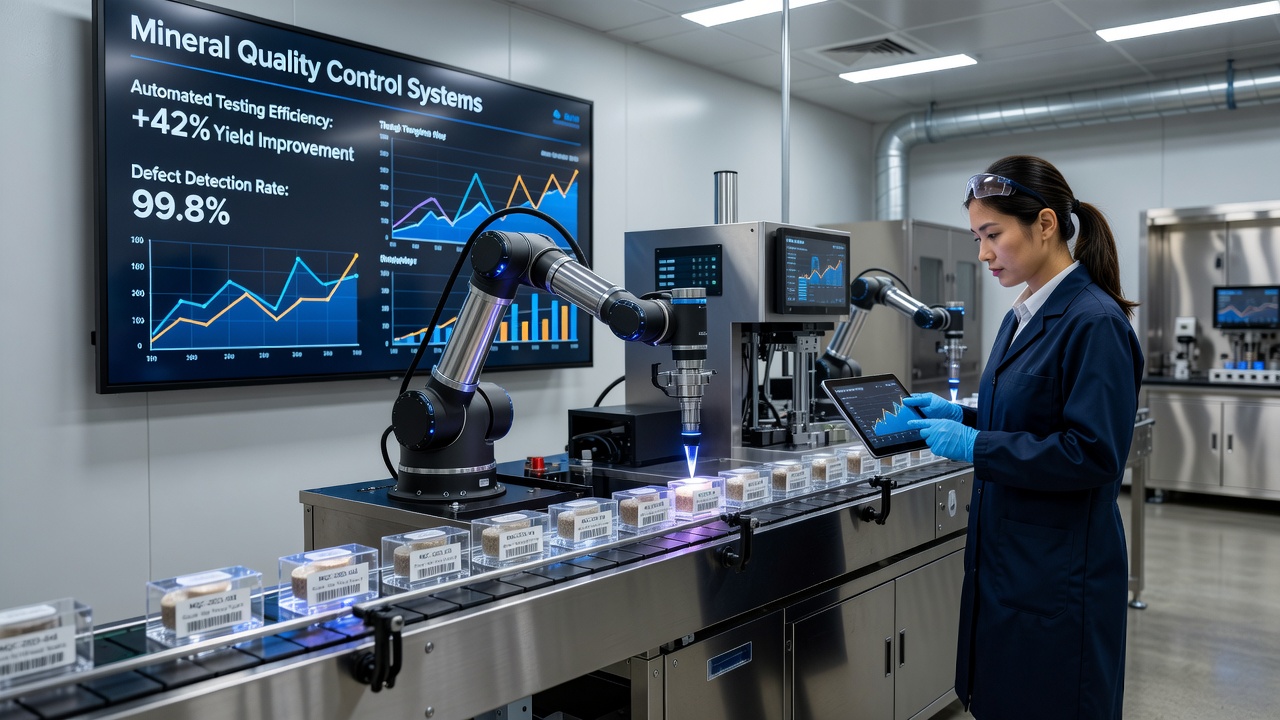
Modern setups combine X-ray fluorescence spectrometers with robotic sample handlers and machine learning algorithms that classify ore grades in real time, and observers note how this integration allows continuous operation without the fatigue factors that affect manual technicians during extended shifts. Data from the United States Geological Survey indicates that automated platforms process up to 500 samples per day in high-volume labs, whereas traditional approaches typically manage 150 to 200 under similar staffing conditions.
Those who've studied implementation timelines find that initial calibration phases last between four and six weeks, after which systems stabilize and deliver consistent results across batches of copper, iron, and rare earth concentrates. The process begins with automated weighing and grinding stations that prepare uniform particle sizes, followed by direct transfer to analytical instruments that log results into centralized databases without intermediate transcription steps.
Measured Efficiency Improvements
Studies conducted at large-scale operations reveal efficiency gains that extend beyond raw speed, including a 30 percent drop in repeat testing rates because algorithms flag inconsistencies immediately and trigger secondary checks only when statistical thresholds are breached. Energy consumption per sample decreases as well since equipment runs optimized cycles rather than maintaining constant manual oversight, and this pattern appears in both open-pit and underground mining environments.
What's interesting is how data connectivity enables predictive maintenance on the testing hardware itself, cutting unplanned downtime by linking sensor readings from spectrometers to maintenance schedules that align with production lulls. Figures from Natural Resources Canada highlight similar patterns in Canadian nickel and gold facilities, where automated lines achieved 22 percent higher daily output after full integration compared with the preceding manual baseline.
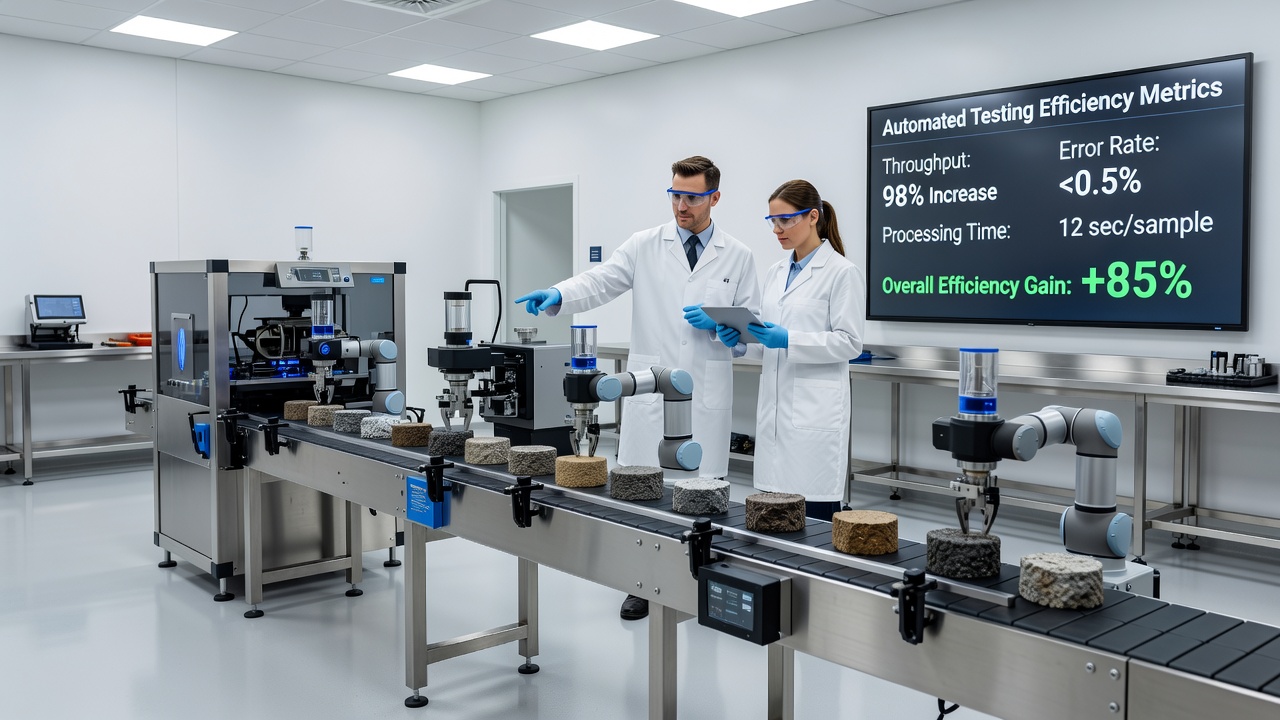
Cost tracking across multiple sites shows labor reallocation as another key outcome, with skilled analysts shifting from repetitive measurement tasks to data interpretation and process optimization roles. This shift occurs gradually as teams gain confidence in the automated outputs, and the transition often coincides with updated training programs that emphasize software interfaces over physical sample manipulation.
Implementation Patterns Observed in 2026
By September 2026 several major producers plan expanded rollouts of modular automated testing units designed for remote sites with limited technical staff, and early adopters report that cloud-based dashboards allow oversight from central offices hundreds of kilometers away. These deployments build on prior pilots that demonstrated stable performance under varying temperature and humidity conditions typical of field laboratories.
Regulatory alignment plays a supporting role as well, since updated guidelines from the European Commission on critical raw materials emphasize traceability requirements that automated logging systems satisfy more readily than paper-based records. Integration with enterprise resource planning software further streamlines reporting, reducing the administrative burden associated with compliance audits.
Limitations and Ongoing Adjustments
Despite clear throughput advantages, some mineral types with complex matrix effects still require occasional manual verification to confirm automated readings, and experts recommend hybrid protocols during the first year of operation. Sample heterogeneity remains a challenge that no single technology fully resolves, though multi-sensor fusion techniques continue to narrow the gap between automated and reference laboratory results.
Training requirements vary by region, yet programs that combine vendor-supplied modules with site-specific case studies produce faster proficiency gains among technicians. Facilities that document these learning curves publish internal benchmarks showing return on investment typically realized within 18 to 24 months when utilization rates exceed 70 percent of available capacity.
Conclusion
Automated testing in mineral quality control delivers documented efficiency gains through faster processing, lower error rates, and improved data traceability, and the patterns observed across multiple continents point to continued adoption as hardware costs decline and software capabilities expand. September 2026 marks a notable point in this trajectory, with several large-scale projects scheduled to come online and add further comparative data to existing studies. Organizations evaluating these systems benefit from reviewing performance metrics published by geological surveys and industry consortia before finalizing procurement decisions.